
7 Essential Commercial Landscaping Tips for Your Business

Your landscape is one of the first things people notice when they arrive at your property. Before they interact with your staff or step inside your building, the condition of your grounds already sends a message. Overgrown beds, thinning turf, or cluttered walkways can quietly suggest neglect, even if your operations are well managed. These details influence how professional, organized, and dependable your business appears.
For commercial business owners and property managers, maintaining a professional exterior often feels like a balancing act. You need your property to look polished and safe without creating excessive maintenance costs or constant disruptions. Budget cycles, tenant expectations, weather conditions, and compliance requirements all play a role. When landscaping decisions are reactive, small issues tend to grow into larger problems that demand time and attention. A more effective approach relies on planning, consistency, and informed decision-making. The right commercial landscaping tips help you maintain control, protect your investment, and present a property that reflects reliability and professionalism while supporting long term operational goals.
1. Plan With Maintenance In Mind From The Start
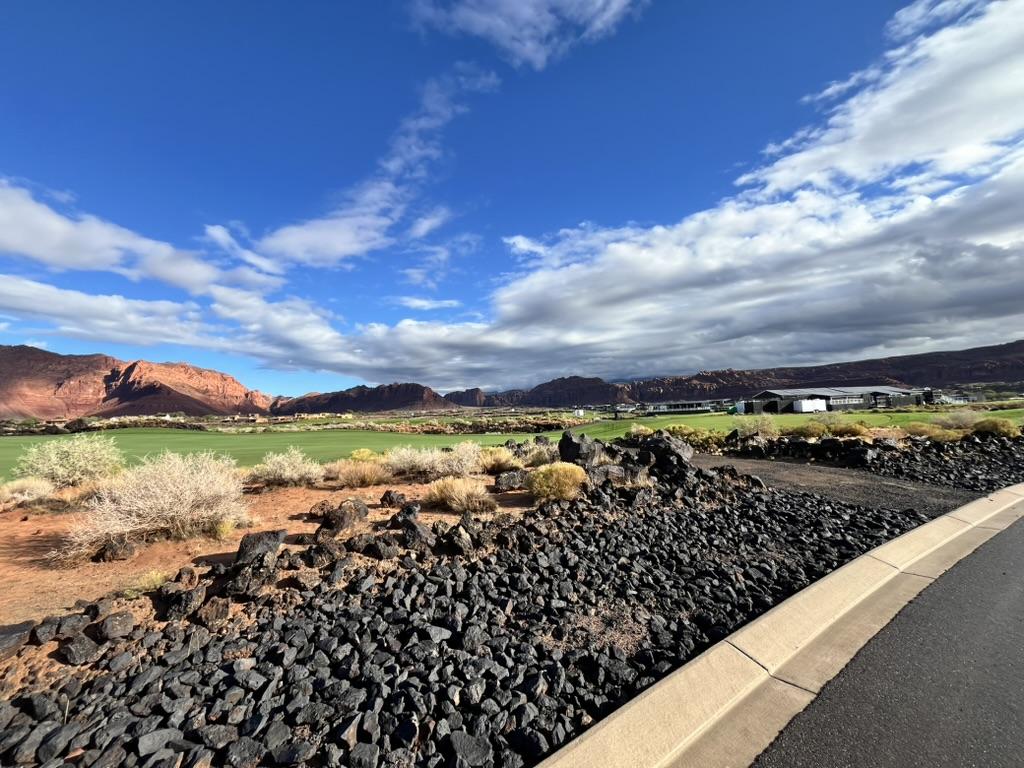
One of the most valuable commercial landscaping tips begins long before installation. When landscapes are designed without maintenance in mind, they often require more labor, higher costs, and frequent corrections. Planning early allows you to shape a landscape that supports efficiency from day one and reduces unnecessary complexity.
Thoughtful layouts make a noticeable difference. Clear bed edges, sensible plant spacing, and defined turf areas simplify routine care. These planning-focused tips for commercial landscaping help reduce ongoing labor while keeping the property organized and consistent. Simpler designs also make it easier to maintain uniform standards across large or multi-use sites.
Plant choice plays an equally important role. Selecting species that perform well in your climate reduces watering needs and replacement cycles. This approach supports low-maintenance commercial landscaping without sacrificing appearance. These decisions also reflect commercial landscaping best practices that prioritize durability and long-term performance. Good planning also leaves room for future adjustments as property needs evolve. This approach also makes it easier to onboard new vendors, align expectations, and maintain consistency as property needs change. When you want to go deeper into how design supports long-term care, you can learn more about commercial landscape maintenance and how thoughtful planning sets the foundation for consistent results.
For a broader look at how early planning decisions influence long-term results, here’s a detailed resource that breaks down how ongoing care is built into successful properties.
2. Schedule Regular Inspections And Upkeep
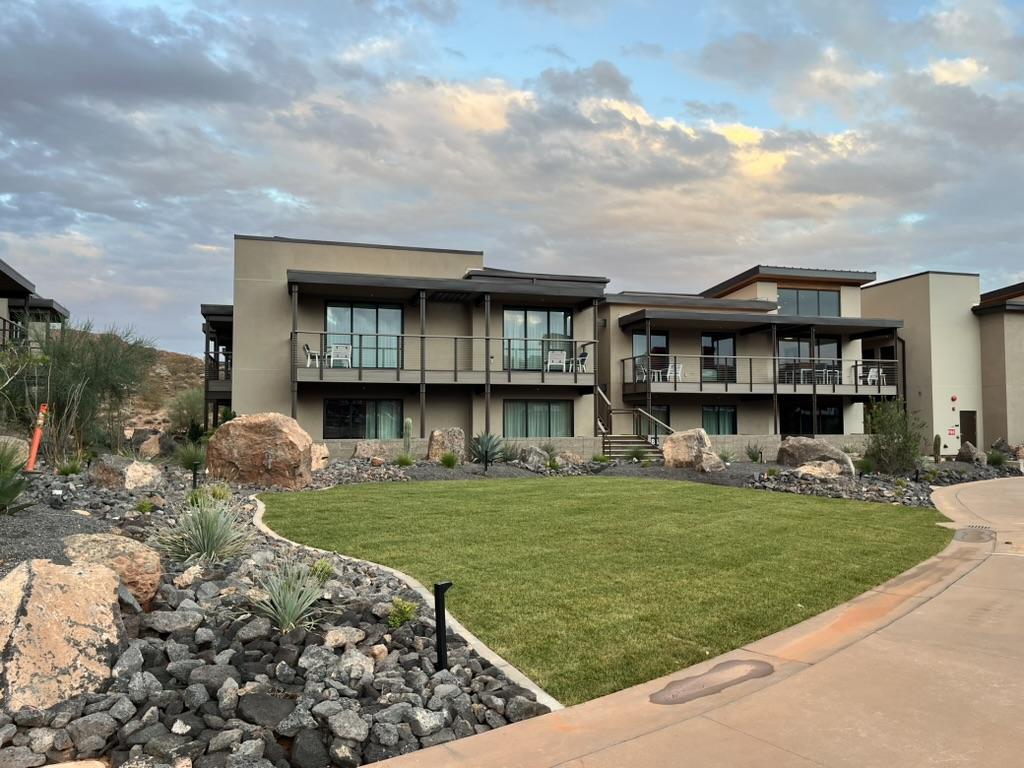
Landscaping issues rarely appear all at once. Most develop gradually, which is why routine inspections matter. One of the most practical commercial landscaping tips is committing to regular walkthroughs rather than waiting for visible decline. This approach helps you stay ahead of problems instead of responding under pressure.
Scheduled inspections help you catch irrigation leaks, drainage problems, pest activity, and turf stress early. Addressing these concerns quickly prevents larger disruptions and unexpected expenses. These inspection-based tips for commercial landscaping support a proactive mindset instead of a reactive one and help protect surrounding areas from damage.
Consistency also improves accountability. When inspections occur on a predictable schedule, expectations remain clear between you and your landscape partner. Many property managers rely on a commercial landscaping maintenance checklist to ensure no area is overlooked and standards remain consistent. Over time, inspections also provide valuable insight into seasonal patterns and recurring needs. Over time, this rhythm builds confidence, reduces emergency calls, and allows you to plan improvements instead of reacting to failures. These ongoing landscaping tips for commercial properties help maintain quality while reducing surprises and supporting long-term planning.
If you want a clearer framework for maintaining this level of consistency, reviewing a more comprehensive guide on structured upkeep can be helpful.
3. Optimize Your Irrigation System
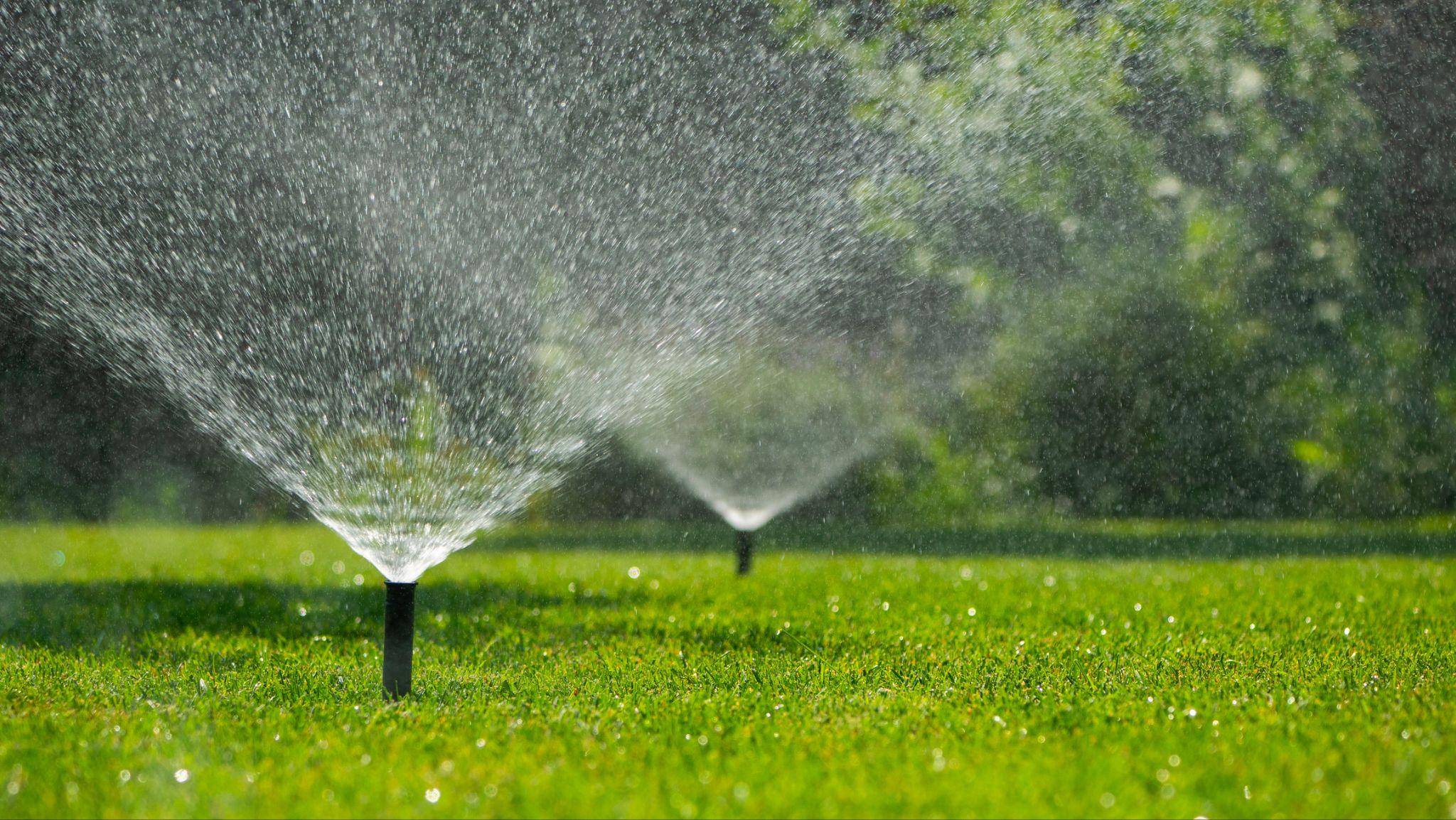
Water management has a direct impact on both landscape health and operating costs. One of the most impactful commercial landscaping tips focuses on irrigation efficiency and seasonal adjustment. Even small improvements can lead to noticeable savings and healthier plantings.
Modern irrigation systems give you greater control over how and when water is applied. Smart controllers respond to weather conditions, while drip irrigation delivers water directly to plant roots. These water-focused tips for commercial landscaping help reduce waste while supporting healthy growth and minimizing runoff.
Seasonal changes also require attention. Irrigation schedules should shift as temperatures and rainfall patterns change. Proper timing prevents pooling, erosion, and oversaturation. These practices align with commercial landscaping best practices that emphasize sustainability and responsible resource use. Efficient irrigation also protects walkways and structures from moisture damage. Better control also supports budgeting accuracy and reduces complaints related to overspray, pooling, or uneven turf conditions. Applying smart irrigation tips for commercial landscaping helps preserve both appearance and infrastructure over time.
Those looking to better understand how water management fits into an overall property strategy may benefit from exploring a more in-depth overview of coordinated landscape care.
4. Use Native And Drought Tolerant Plants
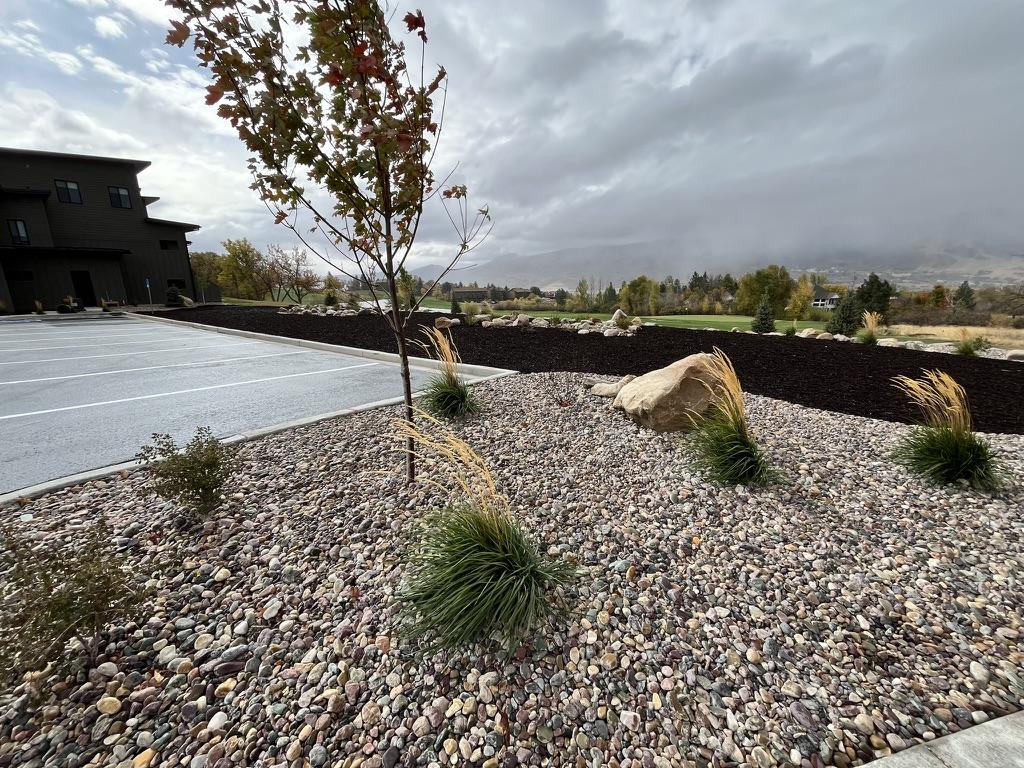
Plant selection influences maintenance demands more than many realize. Choosing native and drought-tolerant species is one of the smartest commercial landscaping tips for long term stability. These plants are better suited to handle environmental stress without constant intervention.
Native plants are adapted to local conditions. They require less water, fewer treatments, and establish more reliably. These planting tips for commercial landscaping support low-maintenance commercial landscaping goals while improving overall plant health and survival rates.
You also gain visual consistency. Plants suited to your environment maintain color and structure longer throughout the year. This reliability helps improve commercial curb appeal without frequent replacements or redesigns. Drought-tolerant plants also perform better during water restrictions and heat waves. This choice simplifies long-term planning and helps maintain visual balance even when weather patterns become unpredictable. These plant-focused landscaping tips for commercial properties help maintain balance and appearance even during challenging seasons.
To see how plant selection supports long-term performance across entire sites, here is additional reading that connects these choices to broader upkeep strategies.
5. Refresh Mulch And Seasonal Color Annually
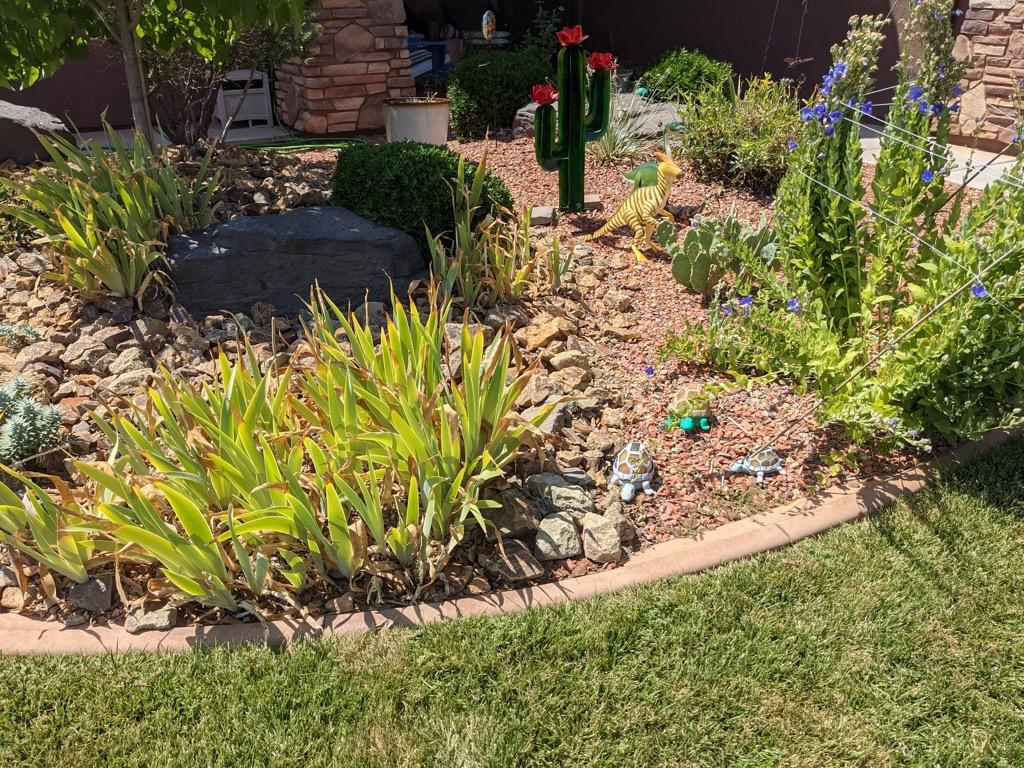
Small updates can significantly influence how your property is perceived. One of the simplest commercial landscaping tips is refreshing mulch and seasonal color on a regular schedule. These updates signal care and attention without requiring major changes.
Fresh mulch improves moisture retention, suppresses weeds, and clearly defines planting areas. These appearance-focused tips for commercial landscaping help beds look intentional rather than neglected and contribute to a clean, organized presentation.
Seasonal color provides flexibility. Rotating plantings allows you to refresh the look of your property without permanent changes. This supports adaptable commercial landscaping ideas that work across different seasons and budgets. Annual refreshes also provide an opportunity to evaluate plant performance and address issues early. These small refreshes signal ongoing care to tenants and visitors without creating disruption to daily business activity. These routine landscaping tips for commercial properties keep the site looking current and well cared for year-round.
For property managers interested in how small, routine updates fit into a larger care plan, a more complete explanation is available that ties these efforts together.
6. Keep Walkways Clean And Safe
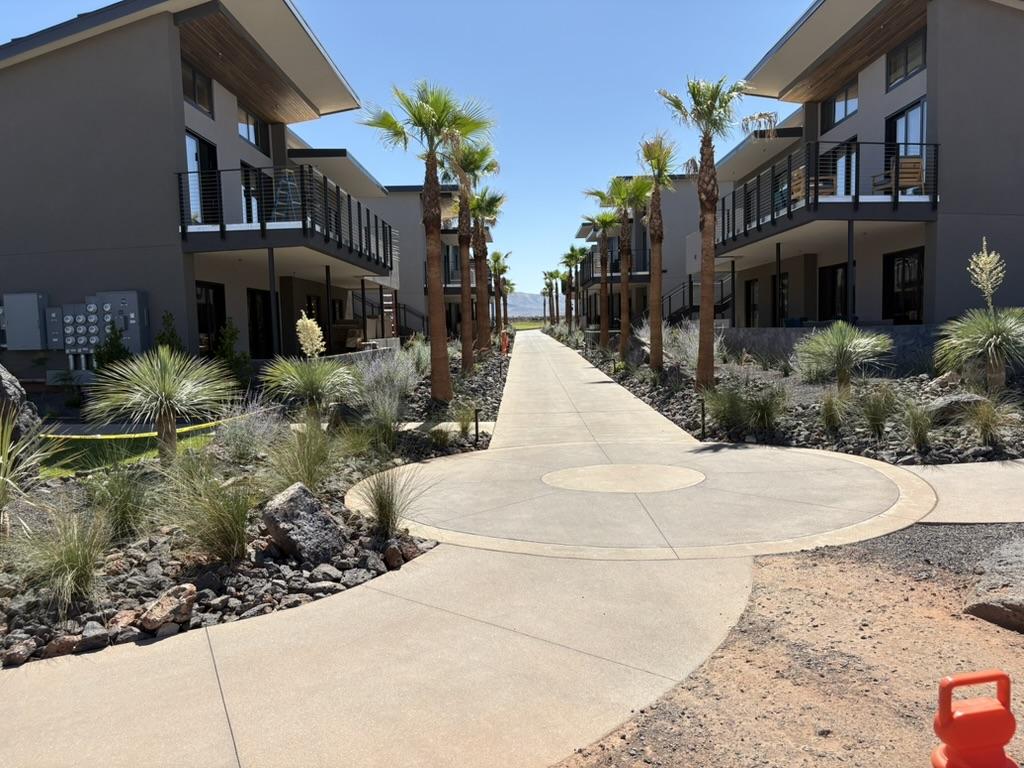
Hardscapes play a major role in how people experience your property. One category of commercial landscaping tips focuses on walkways, entrances, and paved areas that affect safety and accessibility. These areas often see the most traffic and wear.
Regular cleaning removes debris that can cause slips or stains. Trimming nearby plants maintains clear paths and improves visibility. These safety-focused tips for commercial landscaping help create a welcoming and professional environment for visitors and employees.
Uneven pavement or encroaching roots increase liability risks if left unaddressed. Proactive repairs align with commercial landscaping best practices that prioritize safety and long-term functionality. Clear paths and well-kept surfaces also support accessibility standards and reinforce a sense of order across the property. Well-maintained walkways guide visitors naturally. Applying consistent landscaping tips for commercial properties helps protect both people and property while supporting a polished first impression.
If safety and accessibility are top priorities, it can be useful to reference a higher-level breakdown of how consistent outdoor care supports these goals.
7. Partner With Professionals For Specialized Tasks

Knowing when to involve experienced professionals protects your investment. One of the most important commercial landscaping tips is recognizing that certain tasks require specialized knowledge and equipment. Attempting complex work without expertise can create safety and compliance issues.
Tree pruning, fertilization programs, and major enhancements involve technical skill and regulatory considerations. Professionals ensure work is completed correctly and in compliance with requirements.
Working with one landscape partner simplifies communication and coordination. A single point of contact manages scheduling, permits, and execution. These coordination-focused tips for commercial landscaping create a smoother experience from planning through completion. Experienced partners also bring proactive insight, helping you address issues before they escalate. This partnership approach reduces risk, saves time, and ensures accountability from planning through final execution. For complex needs, it helps to explore commercial landscaping services for complex maintenance needs and rely on proven commercial landscape maintenance tips.
When evaluating how professional support fits into your long-term property plans, here is further guidance available that outlines how these partnerships are structured.
A Practical Approach To Long Term Landscape Success
Applying these commercial landscaping tips helps you maintain control, reduce risk, and protect long-term property value. When planning, routine care, and professional standards work together, your landscape becomes an asset instead of an ongoing concern. Clear expectations, proactive decisions, and consistent execution all contribute to stronger outcomes and fewer disruptions.
A thoughtful approach also gives you peace of mind. You can focus on running your business while knowing your property reflects professionalism, safety, and reliability. Over time, these efforts support tenant satisfaction, visitor confidence, and operational efficiency. If you are ready to move forward, you can request a quote today!
Tags: