
Commercial Landscape Maintenance: A Complete Guide for Your Business
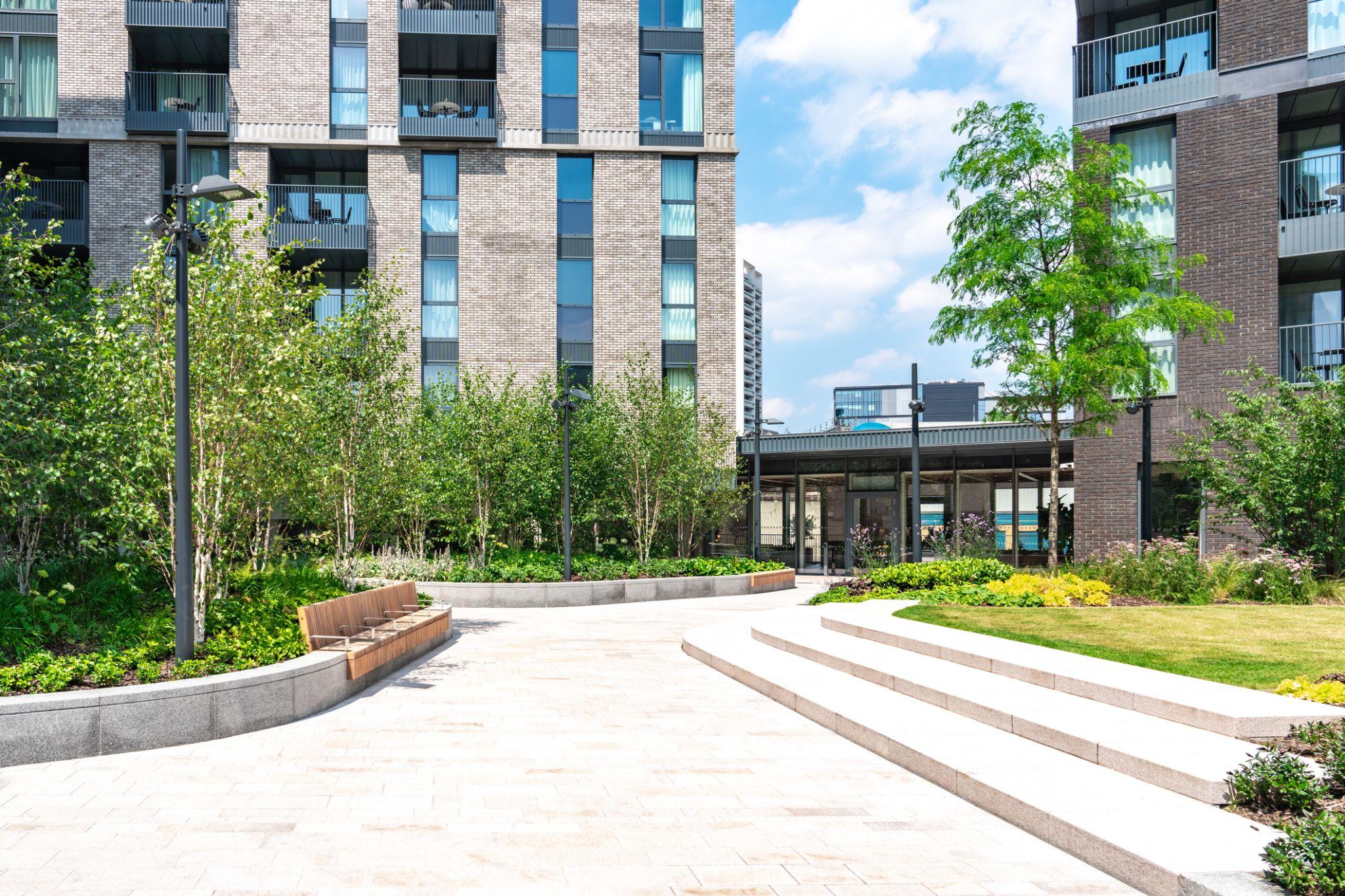
Is your commercial property’s landscape looking unkempt or sending the wrong message to customers? A neglected exterior can turn away clients, lower your business’s curb appeal, and even create safety hazards. Overgrown lawns, dying plants, and cracked walkways don’t just look bad, they signal a lack of care that might be making visitors think twice about doing business with you. The good news is that there’s a straightforward solution to this problem. With a consistent commercial landscape maintenance program, you can keep your outdoor areas attractive, safe, and welcoming. Regular professional care of your grounds enhances your company’s image, protects your property value, and frees you to focus on running your business without worrying about the landscaping.
In this complete guide, you’ll learn what commercial landscape maintenance involves, why it’s important for your business, and how to implement a year-round plan or choose the right partner to keep your property looking its best.
What Is Commercial Landscape Maintenance?
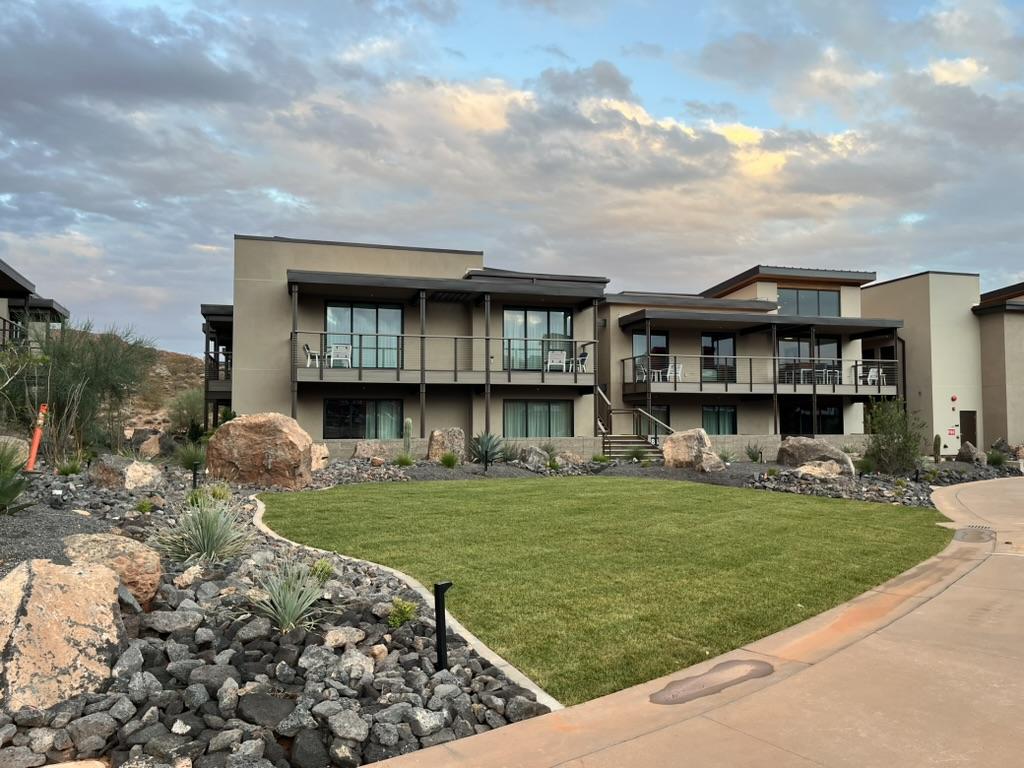
So, what is commercial landscaping, and how does maintenance fit in? In simple terms, commercial landscaping is the design and installation of attractive and functional outdoor environments for businesses. Commercial landscaping services typically include everything from planning and installing greenery to the ongoing upkeep of a property’s outdoor spaces.
On the other hand, commercial landscape maintenance is the continuous care and management of those outdoor areas after they are built. It encompasses all the tasks required to keep your company’s lawns, plantings, and outdoor facilities in top condition throughout the year. This includes regular commercial lawn maintenance, such as mowing and fertilizing grass, trimming hedges, pruning trees, managing watering and irrigation, controlling weeds, and providing seasonal plant care. It also involves keeping walkways, flower beds, and entryways clean and free of hazards. Essentially, commercial landscape maintenance is about ensuring your business’s exterior remains healthy, safe, and visually appealing at all times.
While residential yard care may be handled by a homeowner on weekends, maintaining a commercial property’s landscape is often a more substantial task that requires professional expertise. Business properties tend to be larger and see more public use, so they need a higher level of care. Professional commercial landscape maintenance services are typically provided by experienced crews who understand plant health, soil conditions, and efficient maintenance techniques suitable for commercial landscape management.
Why Does Your Business Need Commercial Landscape Maintenance?
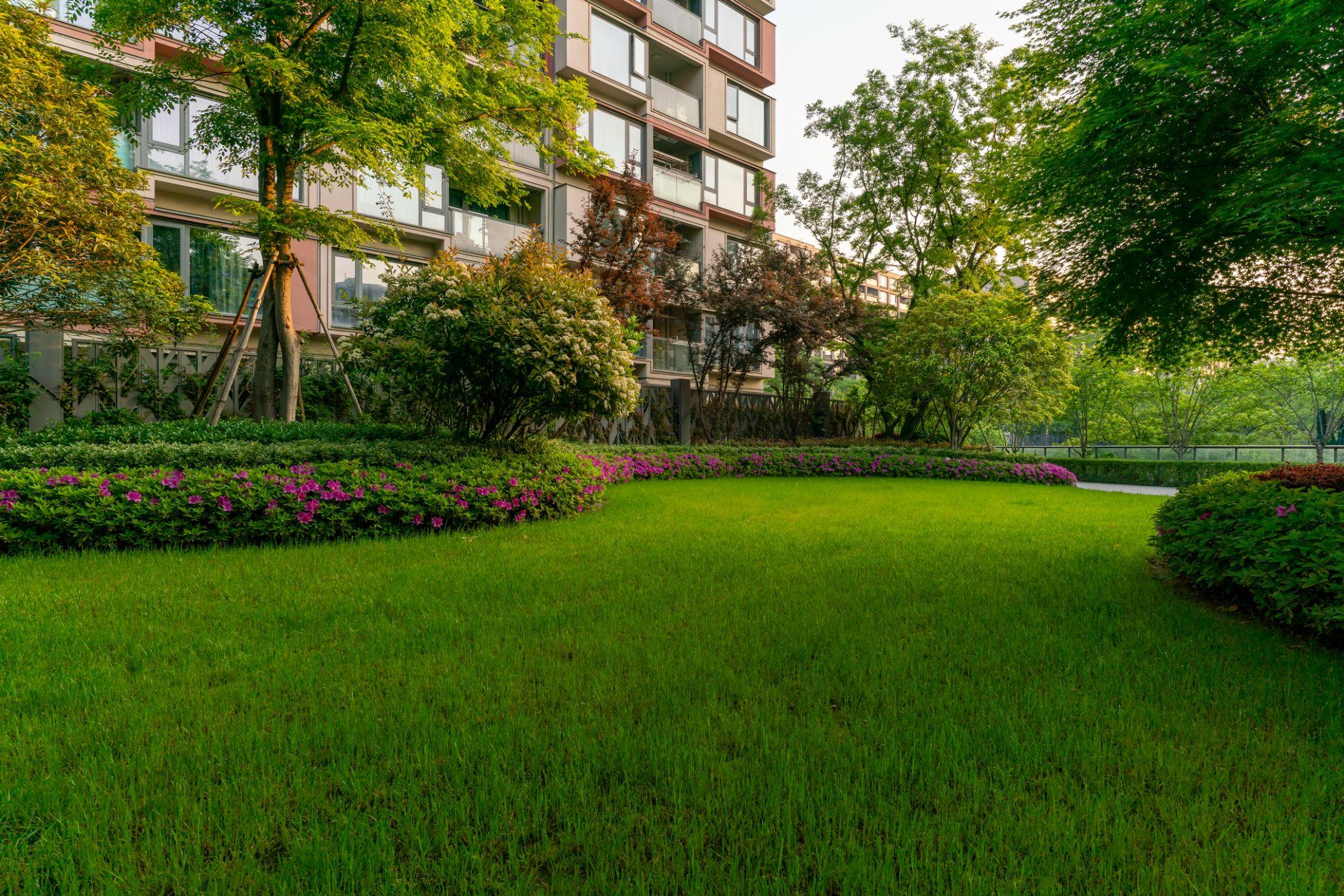
It’s easy to overlook the grass and shrubs outside your building, but consistent care of your grounds is a smart business strategy.
Your business needs commercial landscape maintenance for several important reasons:
- Curb Appeal and First Impressions: Customers and clients form opinions about your business before they even step inside. A tidy lawn, well-groomed plants, and litter-free walkways create an inviting atmosphere. This positive curb appeal can draw in visitors and give people confidence that your company pays attention to detail.
- Professional Image and Brand Reputation: A well-maintained landscape reflects the quality and professionalism of your organization. If your greenery is lush and your flower beds are neat, it sends the message that you care about excellence in all aspects of your operations. On the flip side, neglected landscaping can make an otherwise great company appear disorganized or careless.
- Safety and Liability: Regular maintenance keeps your property safe. For example, trimming overgrown trees prevents branches from blocking signs or lighting. Removing weeds and debris from paths reduces slip-and-fall hazards. Commercial landscape management encompasses tasks such as ensuring clear sightlines at driveways and preventing plants from obstructing sidewalks or fire hydrants. These efforts protect visitors and employees, which also means fewer liability issues for you.
- Property Value and Longevity: Think of your landscape as an investment. Healthy grass, strong trees, and vibrant plants maintained over time will boost your property’s value. Should you ever lease or sell the property, a beautiful exterior can significantly increase appeal. Moreover, taking care of landscapes prolongs the life of your trees, shrubs, and other greenery, so you won’t have to spend on costly replacements as often.
- Cost Savings in the Long Run: Preventative care is almost always cheaper than emergency fixes. Many owners wonder, how much does commercial landscaping cost, and is regular upkeep worth the expense? The truth is that investing in routine maintenance now can save you from much larger costs late, like replacing dead trees or repairing damage from unchecked overgrowth. A well-planned maintenance schedule helps you avoid surprise expenses and budget effectively.
Ultimately, making commercial landscape maintenance a priority (often by hiring professional commercial landscaping services to handle the work) ensures you reap all these rewards consistently. When your property looks sharp and is free of hazards, you attract more customers, keep tenants or employees happy, and protect the value of your investment. It’s a win-win scenario for any business that wants to put its best foot forward.
What Are the Key Components of a Commercial Landscape Maintenance Plan?
A commercial landscape maintenance plan is a comprehensive collection of maintenance services designed to keep every part of your grounds in optimal condition. Every business property is different, but most plans include a core set of components.
Here are the key areas you can expect to see covered:
Lawn Care and Turf Maintenance
Your grass areas require regular attention. Commercial lawn maintenance services ensure your turf stays green, healthy, and neat. This includes mowing on a consistent schedule to keep grass at the optimal height and trimming the edges for a clean look. It also involves aeration (to relieve soil compaction and allow roots to breathe) and overseeding thin patches so your lawn remains thick. Fertilization is another part of lawn care, providing essential nutrients to the soil. Plus, weed control measures are taken to prevent unsightly dandelions or crabgrass from overtaking your lawn. Together, these lawn care tasks keep the foundation of your landscape in top condition.
Trees and Shrubs Maintenance
Trees, hedges, and ornamental shrubs add structure and beauty to your commercial landscape, but they need upkeep to stay healthy and safe. Regular pruning of trees and shrubs helps maintain their shape and prevents overgrowth. Trimming dead or diseased branches not only keeps plants looking good but also protects people and property from falling limbs. Shrubs and hedges are often trimmed to the proper height so they don’t block windows, signs, or walkways. In addition, caring for trees and shrubs includes monitoring for pests or diseases and applying treatments if needed. By keeping woody plants in check and nourished, you ensure they continue to provide shade, privacy, and visual appeal without becoming hazards.
Flower Beds and Planting Areas
Colorful flower beds and planters need special attention throughout the year. Maintenance for these areas involves removing any weeds, deadheading flowers (removing spent blooms to encourage new ones), and replanting seasonal flowers or ornamental plants to keep the displays fresh. Mulching is typically done in planting beds to help conserve moisture and suppress weeds. Plus it gives beds a neat, uniform appearance. Seasonal color rotations are common, meaning in spring and fall you might swap out annual flowers to match the season. The goal is to ensure your flower beds and ornamental plant areas remain vibrant and tidy, which boosts your property’s overall appeal.
Irrigation System and Water Management
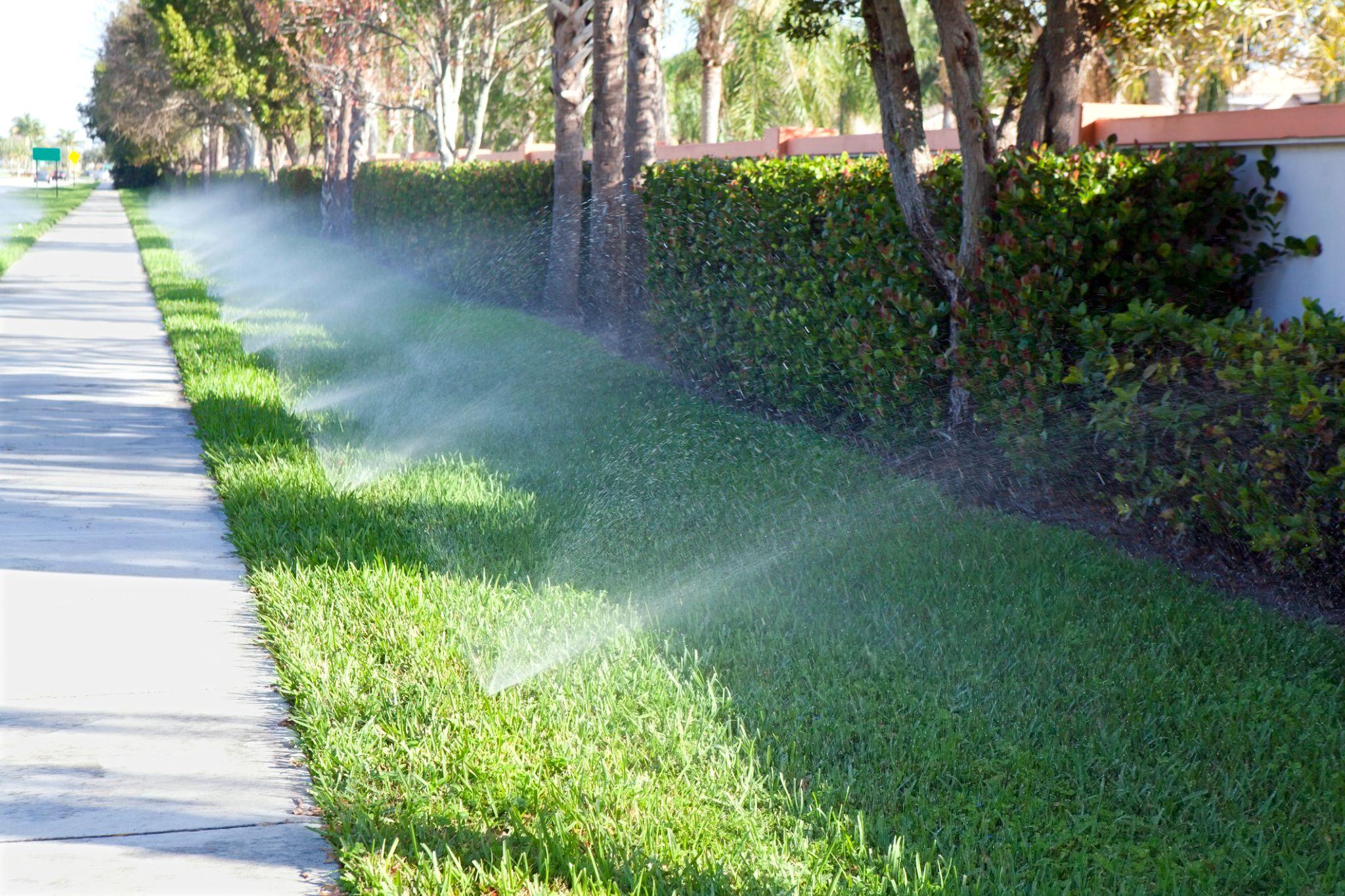
Proper watering is essential to landscape health, so most commercial properties have an irrigation system (sprinklers or drip lines). Maintaining this system is another crucial component of a comprehensive commercial landscaping services plan. Irrigation maintenance includes checking that sprinkler heads and drip emitters are functioning correctly and ensuring they cover the designated areas. Technicians adjust watering schedules according to the seasons, ensuring plants receive the right amount of water without waste. They also promptly repair any leaks or clogs. Efficient water management keeps your grass and plants healthy and prevents issues like water runoff.
Seasonal Cleanups and Special Services
As seasons change, your landscape will need some special attention. Spring cleanup involves clearing away winter debris, raking leaves or leftover fall mulch, and preparing beds for new growth. In the fall, a major cleanup includes collecting fallen leaves, cutting back perennials that are done for the season, and winterizing the grounds (like protecting delicate plants or shutting down irrigation systems before frost). Depending on your location, commercial landscape maintenance services can also include snow and ice removal in winter months, keeping parking lots, sidewalks, and entrances clear and safe during snowstorms. Other special services may include pest control (to manage insects or rodents that could damage plants) and soil testing to inform fertilization decisions. All these tasks ensure that your property is well-maintained throughout the year, not just during the growing season.
How Can You Ensure Year-Round Care with Seasonal Maintenance Tasks?
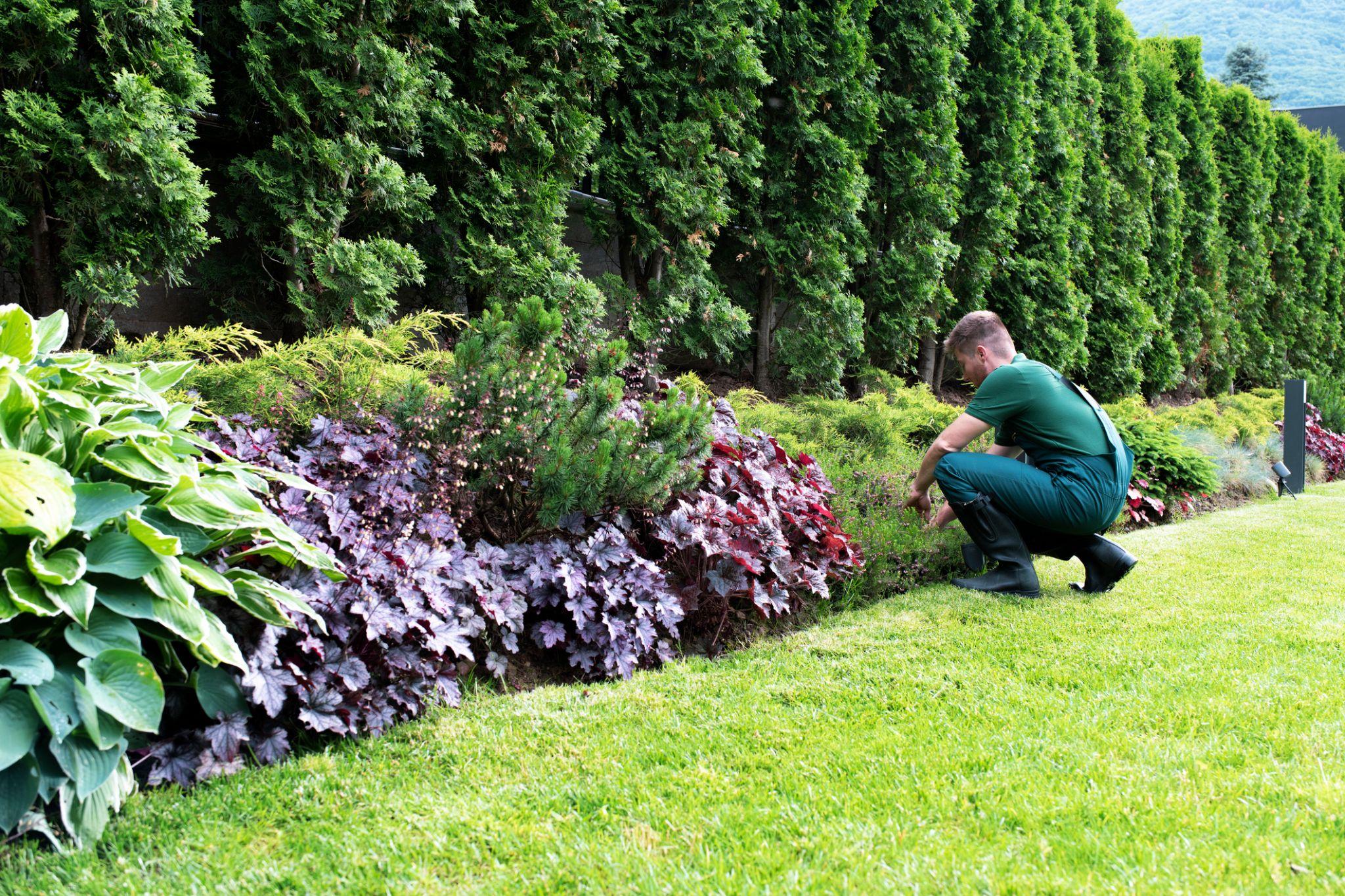
Landscaping requires attention all year long. Each season brings different needs for your commercial property’s exterior. To ensure year-round care, you or your maintenance provider should adjust tasks as the weather changes.
Here’s how a proactive seasonal approach covers your landscape through all four seasons:
- Spring: After winter, spring is all about rejuvenation. Maintenance crews will clean up fallen branches, leaves, and debris left from winter storms. It’s also the perfect time to freshen up your landscape with new plantings or updates to your flower beds. Fertilizing the lawn in spring provides the grass with a boost of nutrients for the growing season, and applying pre-emergent weed control can prevent weeds from sprouting. Irrigation systems are typically checked and turned back on in the spring to ensure everything is ready for the warmer months ahead.
- Summer: During the hot, growing season, regular upkeep is critical. Lawns typically need weekly mowing and consistent watering. Commercial lawn maintenance in summer involves keeping grass trimmed and green, which may mean adjusting sprinkler run times during heat waves. Landscapers will also remove weeds that appear and monitor for pests or plant diseases that thrive in warm weather. Trimming shrubs and deadheading flowers in the summer keeps the property looking tidy. Summer is when your landscape is at its full display, so regular care ensures it remains lush and inviting despite the heat.
- Fall: As temperatures drop and plants slow their growth, fall maintenance focuses on cleanup and preparation. Fallen leaves will blanket your property; removing them promptly keeps lawns healthy and prevents slip hazards. Fall is a prime time for pruning trees and shrubs because many are going dormant. Trimming them now helps shape them for next year. It’s also common to fertilize the grass in fall (aiding root development over winter) and apply any final weed control. Additionally, fall is when you plant spring-blooming bulbs and add autumn flowers like mums for seasonal color. By the end of fall, your maintenance team will begin winterizing the property, including clearing gutters, draining or blowing out irrigation lines to prevent freeze damage, and ensuring the site is ready for the cold weather.
- Winter: In some regions, winter maintenance is minimal, with a primary focus on monitoring. However, where it snows or ice forms, commercial landscaping services include snow and ice management. This means plowing parking lots, shoveling sidewalks, and spreading ice melt to keep surfaces safe. Even in milder climates, winter is a good time for tasks like tree pruning (when branches are bare and structure is visible) and planning enhancements for the coming year. The key is not to ignore your landscape in the off-season; periodic checks and any necessary care during winter will ensure everything bounces back strong in spring.
Professional vs. In-House Maintenance: What’s Best for Your Business?
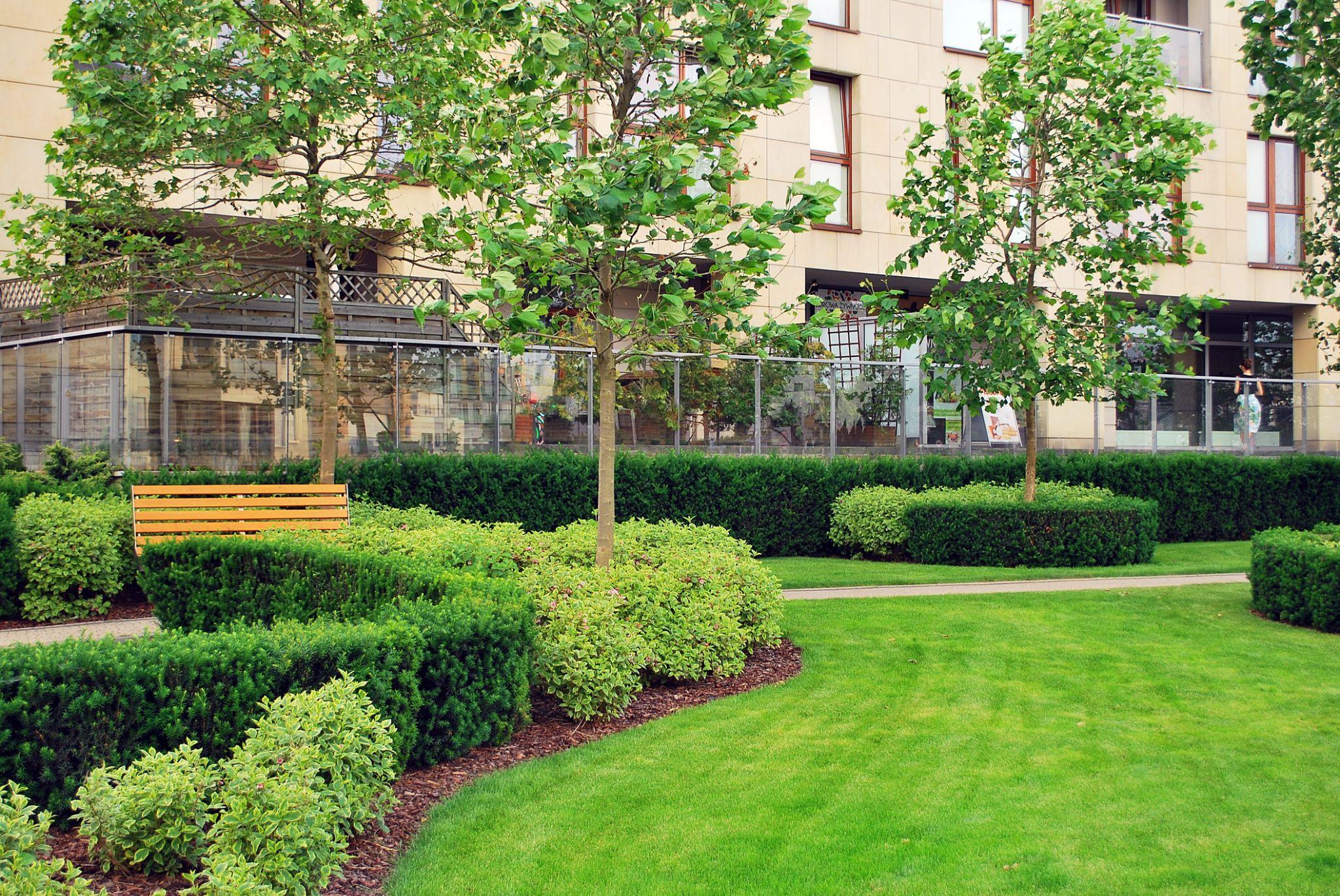
Every commercial property owner or manager faces a choice: do you hire outside experts for landscape care or assign the job to your own staff? At first, handling tasks internally might seem like a way to save money. Mowing a lawn or trimming a few shrubs doesn’t look too complicated. But consider the full scope of work involved (after all, what is commercial landscaping if not a blend of horticulture, design, and technical upkeep?). Keeping up with a large property can quickly overwhelm employees who have other duties. Let’s compare some key factors to help you decide which approach is best for your business:
- Expertise and Quality: Professional landscaping companies bring specialized knowledge. They know the proper techniques for pruning, the right products for fertilization, and how to diagnose plant health issues. Their teams are trained and often certified in various aspects of commercial landscape maintenance services, which means higher quality results. In contrast, in-house staff might not have the same level of horticultural expertise. Mistakes like improper pruning or incorrect lawn treatments can happen, potentially harming your greenery or leading to subpar results.
- Time and Focus: When you outsource to a commercial landscaping services provider, you and your employees gain time to focus on your core business. The landscape crew handles the mowing, weeding, and other chores, so your team isn’t pulled away from their primary responsibilities. If you attempt in-house maintenance, remember that these tasks are time-consuming. Employees may have to come in early or stay late to water plants or cut the grass, which can lead to burnout or neglect of other duties.
- Cost Considerations: Budget is often the driving factor in this decision. Many people initially ask, how much does commercial landscaping cost to hire out, versus doing it themselves. While a professional service is an added line item in your budget, it can be more cost-effective in the long run. A contracted landscaping team brings their own equipment and supplies, saving you the expense of buying and maintaining mowers, trimmers, or fertilizer stock. They also work efficiently, which can reduce waste. On the other hand, in-house maintenance might seem “free” aside from equipment, but you have to account for staff hours (and wages) spent on yard work, training on proper techniques, and the risk of costly errors. Plus, if your employees are tied up mulching flowerbeds, that’s paid time not spent on your actual business operations.
- Equipment and Resources: Commercial-grade landscaping requires commercial-grade tools, such as high-power mowers, aerators, and irrigation repair tools. Professional landscapers come equipped with everything needed to handle big jobs or specialized tasks. They also have access to a supply chain for plants, mulch, and materials at possibly better rates. If you go in-house, you’ll need to purchase or rent a range of equipment and ensure it’s properly maintained and stored. These logistics can be a headache, and if something breaks (say your mower goes down), your landscape might suffer until repairs are made or a replacement is found.
- Consistency and Reliability: A professional maintenance service runs on schedules and contracts, meaning your lawn will be cut on time each week and seasonal tasks won’t be skipped. They can also scale up services when needed (for example, after a big storm, they have the manpower to clean up quickly). With in-house handling, consistency depends on your team’s availability and attention. If workloads get heavy or an employee who handled landscaping leaves the company, the mowing and weeding might get delayed. Reliability can suffer if landscaping is not anyone’s primary job.
What Is the Full-Service Difference with Design, Build & Maintenance Under One Roof?
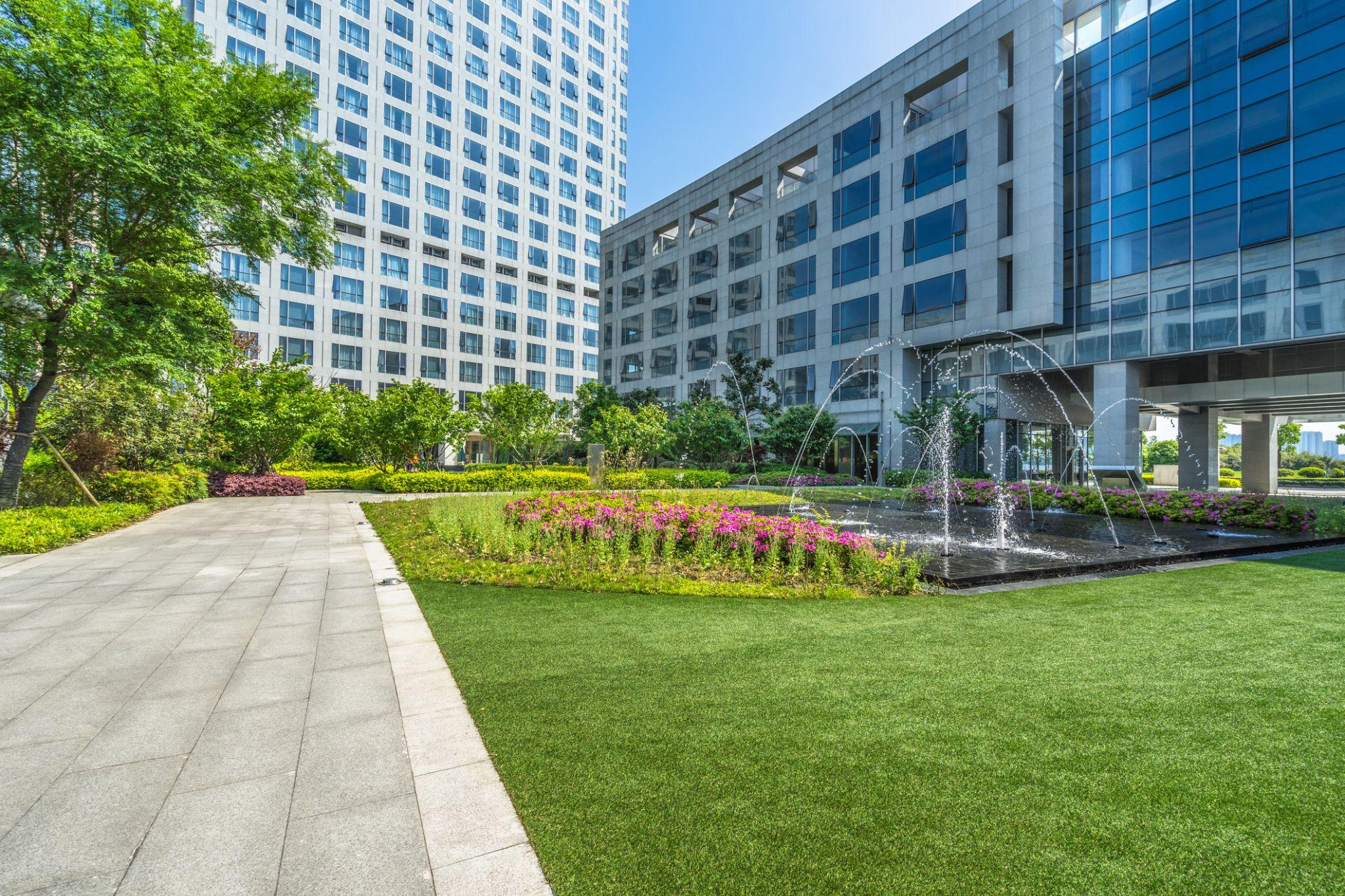
Imagine having a single trusted partner handle every aspect of your commercial landscape, from the initial idea on paper to the weekly lawn mowing years after the project is finished. That’s the core of the full-service design-build-maintain approach. In this model, one company manages the landscape design (planning and crafting the layout of your outdoor space), the build or installation phase (planting trees, installing patios, putting in irrigation systems, etc.), and the ongoing maintenance. All these commercial landscaping services are provided under one roof by the same team.
The benefit of this arrangement is consistency and convenience. You are essentially getting a turnkey solution, one landscape partner for everything. There’s no need to hire separate designers, construction crews, and maintenance providers and then try to coordinate between them. With a full-service firm, the handoff from design to construction to maintenance is smooth because everyone is on the same team and already understands your property’s needs and your vision. For you, that means fewer headaches: you have a single point of contact who knows your project inside out, and you can trust that nothing will fall through the cracks during transitions.
Quality control is another big advantage. The company that designed your landscape will also be maintaining it, so they have a vested interest in long-term success. They will choose plants and materials during the design that they know will thrive with proper upkeep, and because they’ll be the ones providing that upkeep, they stand behind the results. If an issue arises the maintenance team can consult directly with the design team to find a solution, rather than you playing middleman between separate vendors. This built-in accountability often leads to higher quality work and a more beautiful outcome for your property.
Full-service providers also tend to be more proactive. Since they’re involved from start to finish, they can anticipate future maintenance needs at the design stage, and they often suggest improvements or adjustments over time to enhance your landscape. For example, they might recommend adding a drainage solution during construction because they know it will prevent water issues down the road during maintenance. This forward-thinking approach saves you from problems that a less integrated team might overlook.
How Do You Choose the Right Commercial Landscaping Partner?
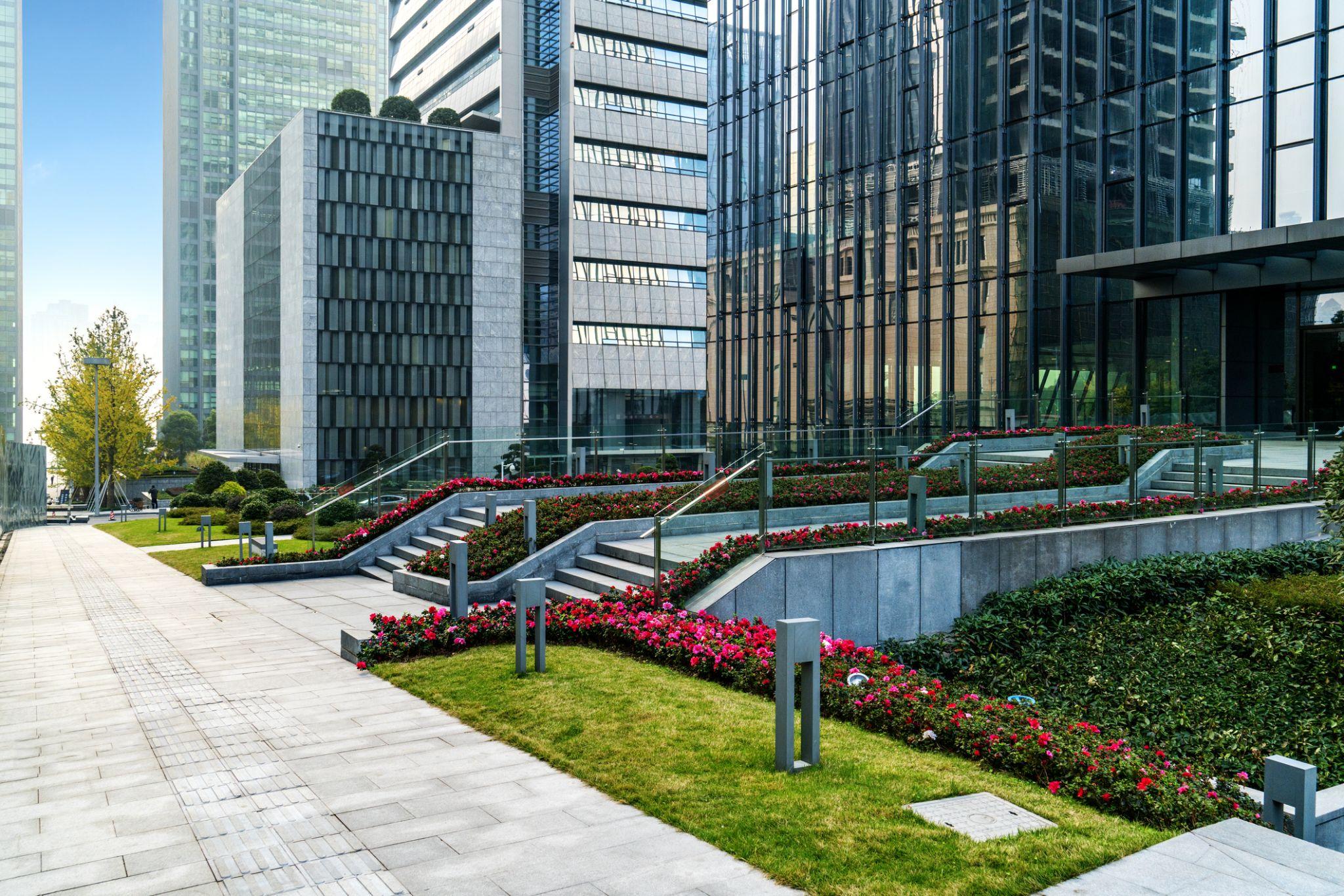
Selecting the best company to trust with your commercial landscape maintenance is an important decision. You want a partner who will be reliable, skilled, and a good fit for your business. Here are some tips on what to look for when evaluating commercial landscape maintenance services providers:
Experience and Expertise
Find out how long the company has been in business and what types of properties they maintain. An experienced firm will have encountered and successfully addressed numerous landscaping challenges. It’s a plus if they have expertise with properties similar to yours (for example, office parks, retail centers, or healthcare facilities). A knowledgeable team will understand what your landscape needs and how to deliver it.
Comprehensive Services
Consider the range of commercial landscaping services the company offers. Can they handle everything you might need, from design or upgrades to ongoing lawn care and plant maintenance? Choosing a full-service partner means you won’t have to juggle multiple contractors. Even if you only need maintenance now, it’s helpful if they can take on bigger projects in the future.
Professionalism and Credentials
Professionalism shows in how a company conducts itself. Look for proper licensing, insurance coverage, and any industry certifications (like certified landscape professionals or arborists on staff). The crew should appear professional and courteous when on-site. You want a partner that takes safety seriously and respects your property. A company that values professionalism will likely deliver dependable, high-quality service consistently.
Communication and Responsiveness
Pay attention to how the company communicates from the get-go. Do they respond promptly to your inquiries and take time to understand your needs? Good communication is key in an ongoing relationship. The right partner will listen to your concerns, provide clear explanations, and keep you updated on schedules or issues. If you meet with them, notice whether they seem attentive and willing to answer questions, even basic ones like what is commercial landscaping going to include for your property. A landscaper that is transparent and takes time to educate you demonstrates they have your best interests in mind.
Reputation and References
Research the company’s reputation. Read testimonials or case studies on their website, and check independent reviews if available. Don’t hesitate to ask for references from current or past clients, especially those with properties like yours. Hearing about others’ experiences can tell you a lot about reliability, work quality, and customer service. A trustworthy company should have no problem providing references who can vouch for their work.
Transparent Pricing and Contracts
Budget clarity matters. Many property managers wonder how much does commercial landscaping cost for a given property, and the right partner will offer clear, detailed quotes and explain what’s included in their services. They should be upfront about costs, with no confusing fine print. When you discuss proposals, look for a company that is fair and honest in how they price their work. It’s also wise to understand the contract terms. For example, the length of the agreement and how they handle any extra work outside the contract scope. This clarity up front is a sign of a company that values fairness and wants you to feel comfortable.
Paragon Land Pros, for example, embodies all the qualities mentioned above. Our team has extensive experience and prides itself on being a one-stop shop for commercial landscaping needs. They handle every aspect of your landscape with the utmost professionalism and care. From initial design ideas to routine commercial landscape management, Paragon Land Pros ensures a seamless, proactive process tailored to your property. The company stands behind its work, striving to break the usual landscaping stereotypes by delivering high-quality results and an exceptional client experience at every step. With Paragon Land Pros as your partner, you can trust that your commercial landscape will be honestly evaluated, expertly maintained, and continually improved to reflect the high standards of your business.
Ready to give your property the benefit of high-quality commercial landscape maintenance? Request a quote today to see how Paragon Land Pros can help your business shine.
Summary:
Commercial landscape maintenance is the ongoing care of a business property’s outdoor areas, including tasks like lawn care, plant upkeep, irrigation management, and seasonal cleanups to keep the grounds safe and attractive year-round. Regular maintenance by professional commercial landscaping services boosts curb appeal, protects property value, and ensures a professional appearance for your business. A proactive, year-round approach prevents issues, improves safety, and reflects the high standards of your company.
Tags: